Soybean-based technology
A specialized soybean-oil-based treatment designed to help improve flexibility and granule adhesion in suitable asphalt shingles.

Aging asphalt shingles can become less flexible and lose their grip on protective granules. Roof rejuvenation is designed to address those aging-related properties on a qualifying roof.
Keep a roof worth keeping. Repair what needs repair. Replace when the time comes.
Preservation first
A practical option for qualifying asphalt shingles.
The treatment behind the service
TRS uses a plant-based roof rejuvenation treatment sourced from plant materials grown in the United States. It is applied to qualifying asphalt shingles as a maintenance treatment—not as a new roof, paint layer, or substitute for needed repairs.
A specialized soybean-oil-based treatment designed to help improve flexibility and granule adhesion in suitable asphalt shingles.
Made with chemically modified soybean oil, offering a plant-derived approach to asphalt-shingle maintenance.
We assess your roof's condition and suitability before recommending rejuvenation. Roofs with significant damage or other underlying issues may need repairs or replacement instead.
Why it works
Asphalt is the binder that helps shingles flex and hold their protective surface granules. Years of sun, heat, and weather can leave that asphalt stiffer and make granules easier to lose. A suitable penetrating treatment is intended to address these aging-related properties.
01
The treatment is designed to address stiffness associated with aging asphalt so qualifying shingles may handle normal movement better.
02
Protective granules help shield the shingle. The treatment is designed to support the granules already on suitable shingles.
03
This is a treatment intended for suitable asphalt shingles—not a paint coating, cosmetic darkening service, or replacement roof system.
There is published laboratory research behind the concept. A peer-reviewed study tested three-tab and architectural shingles, including samples aged more than 15 years, and reported improved granule retention and flexibility in treated samples. Laboratory findings do not establish how many additional years an individual roof will last; results depend on roof condition, product compatibility, and correct application.
Read the published shingle researchThe middle option
Many roofs spend years in the middle—aging, yet still intact. For the right asphalt-shingle roof, rejuvenation is a proactive way to care for the shingles already in place.
Help qualifying shingles stay flexible.
Help protect the granules already protecting the roof.
Preserve an existing roof without tearing off and replacing the shingles.
The TRS process
We review the shingles, flashing, prior storm damage, moisture clues, and needed repairs while checking whether the installed shingles are appropriate for treatment.
We explain whether preservation makes sense, whether a repair should happen first, or whether the roof needs a different solution.
On an eligible, dry roof, the agreed preparation is completed and the penetrating treatment is applied according to its current instructions and suitable weather conditions.
We document the treated areas and work performed so you know what was done and have a basis for future roof maintenance.
Total Roofing Systems
A look at residential roofing work and equipment. These photos illustrate roofing projects generally; they are not presented as proof that a specific roof received rejuvenation treatment.
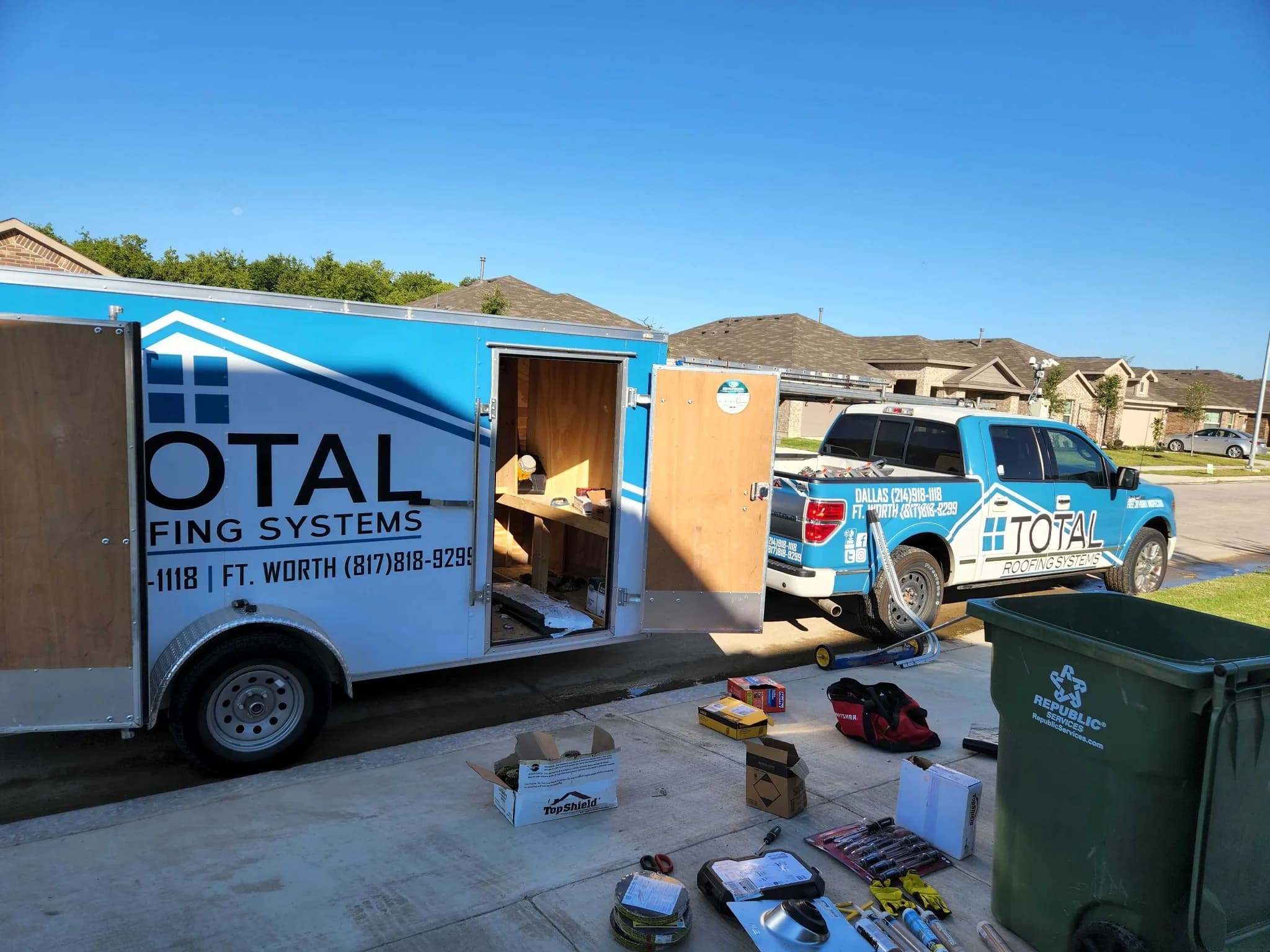
A look at the team and equipment behind residential roofing work.
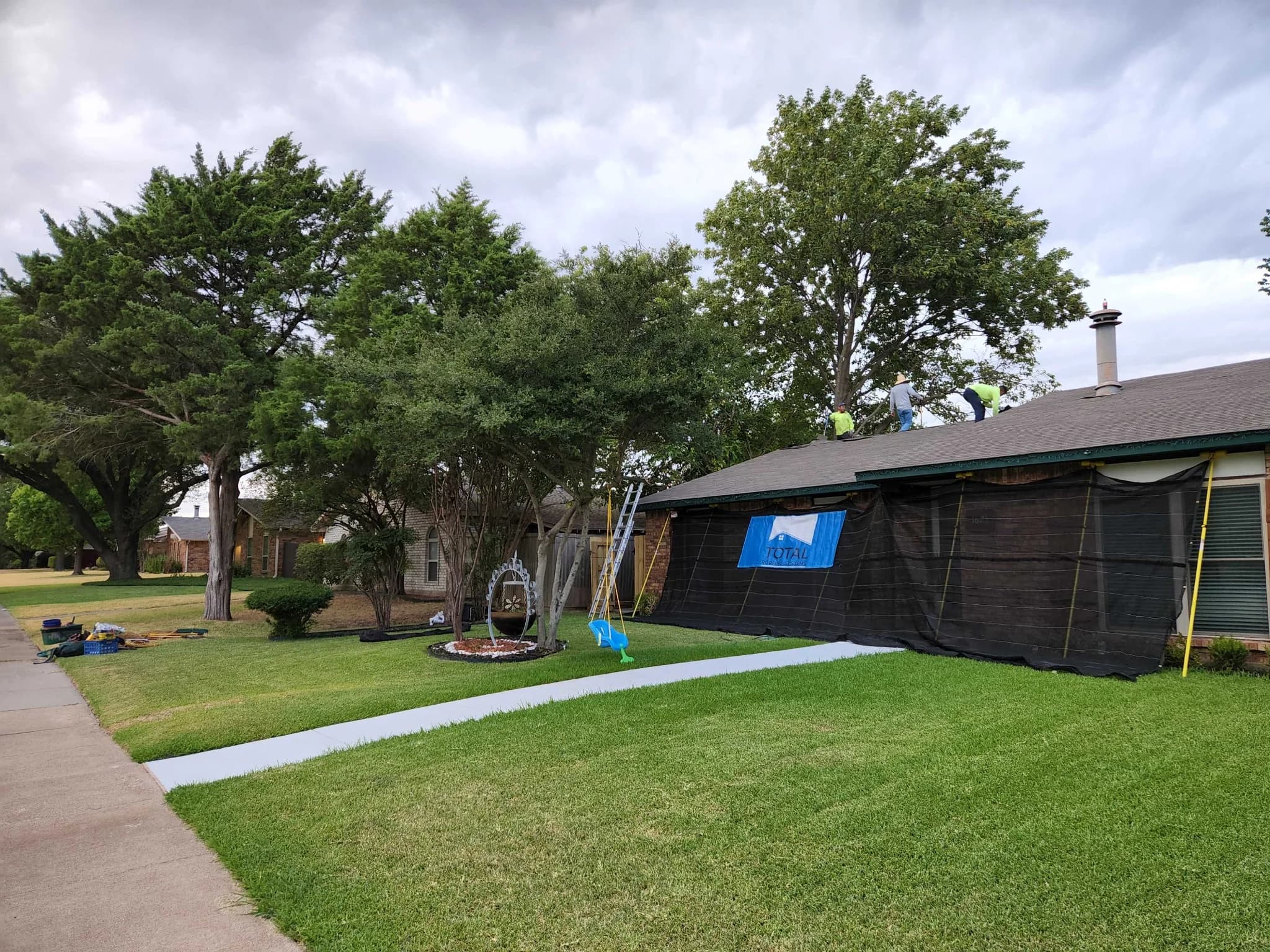
Real on-site roofing work by a crew.
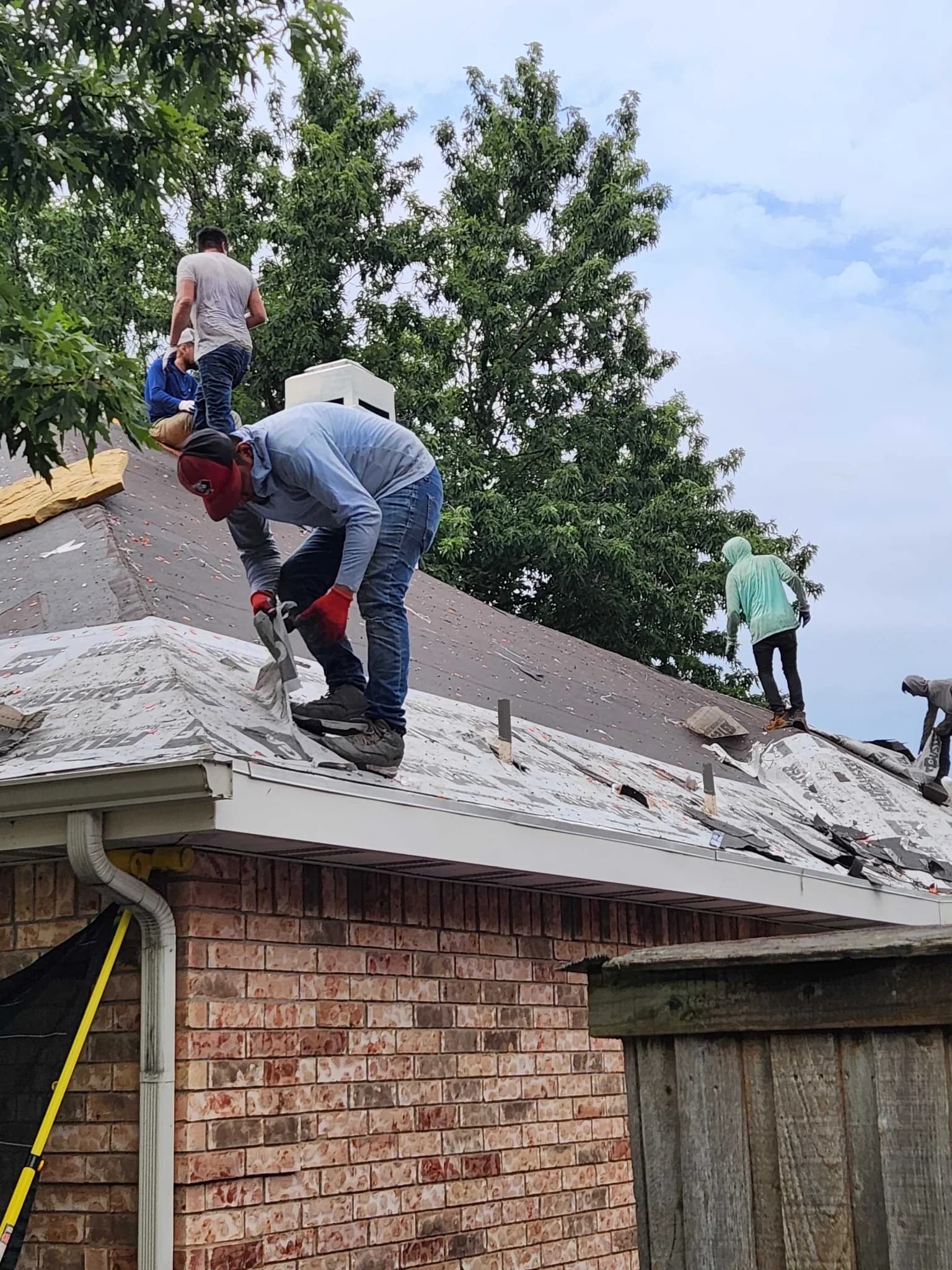
Roof conditions and the work required vary from home to home.
Is your roof a candidate?
The roof's age alone does not decide whether treatment makes sense. Condition, installed shingles, manufacturer guidance, and the requirements that apply to the property all matter.
Dry, intact asphalt-shingle roof
Structurally sound roof
Ordinary age-related wear
Shingles that are still serviceable
Active leaks
Wet or soft decking
Missing or badly curled shingles
Exposed fiberglass mat
Extensive granule loss
Significant hail or wind damage
Failing flashing
Structural or installation problems
Those conditions call for diagnosis, repairs, or replacement—not a spray treatment.
For Realtors
An older roof does not automatically mean replacement. TRS can inspect and document its condition so buyers, sellers, and agents can discuss the actual choices: repair, rejuvenation for a qualifying roof, or replacement when the roof is spent.
Request an Option-Period Roof AssessmentTell us the transaction deadline when you book so the visit can be planned around it.
Inspection findings help agents and clients understand whether the roof needs repair, rejuvenation, or replacement.
Roof rejuvenation does not reset the roof's age or guarantee acceptance by a buyer, insurer, lender, or home inspector.
Clear scope, clear price
For an eligible roof, treatment offers a preservation proposal without the scope of a full tear-off. Size, pitch and access, condition, repairs, and the area eligible for treatment all affect the price.
After the assessment, Total Roofing Systems provides a written scope and price so you can compare your actual options. We do not publish a one-size-fits-all price because each roof must be assessed first.
Questions
On qualifying asphalt shingles, a penetrating treatment is intended to address aging-related properties of the asphalt beneath the surface granules. Published laboratory research has measured improvements in flexibility and granule retention on treated shingle samples. Results on an individual roof depend on its condition, product compatibility, and correct application.
TRS describes its rejuvenation treatment as plant-based and sourced from plant material grown in the United States. The specific product name and manufacturer details should be confirmed by TRS before treatment is recommended. Ask us for the product information applicable to your roof.
No. Leaks and storm damage need a roofing assessment and the appropriate repair or replacement. Rejuvenation is not a substitute for that work.
There is no specific number of additional years that can be promised for an individual roof. The outcome varies with the existing shingles, installation, weather, roof condition, and future maintenance. TRS assesses the roof before recommending treatment.
No. The roof must be assessed first. Condition, shingle type, manufacturer guidance, existing damage, and property requirements all matter. Active leaks, significant damage, or failing roof components may require repair or replacement instead.
That depends on the installed shingles and the manufacturer's written terms. Some manufacturers advise against field-applied treatments. TRS should review available manufacturer guidance and the original roof warranty before recommending treatment; ask us about any concern identified for your roof.
Any applicable coverage and exclusions should be provided in writing with the proposal before work is approved. A maintenance treatment does not create a new shingle manufacturer's warranty. Ask TRS to explain the written terms that apply to your specific project.
Treatment does not create a new impact-resistance rating for the roof covering. Insurance credits depend on the carrier's rules and qualifying roofing materials. Check directly with your insurance carrier; TRS does not promise a premium discount or a change in insurability.
No. The service uses a treatment intended to penetrate suitable asphalt shingles. It is not a film-forming waterproof roof coating and is not a replacement roof system.
Fort Worth · Western DFW · Westeplex
The right rejuvenation job starts while the shingles are still worth preserving. Total Roofing Systems serves Fort Worth and communities across western DFW and the Westeplex, including Weatherford, Springtown, Decatur, Justin, Mineral Wells, Jacksboro, and the HEB area. Let us assess your roof and explain its options.